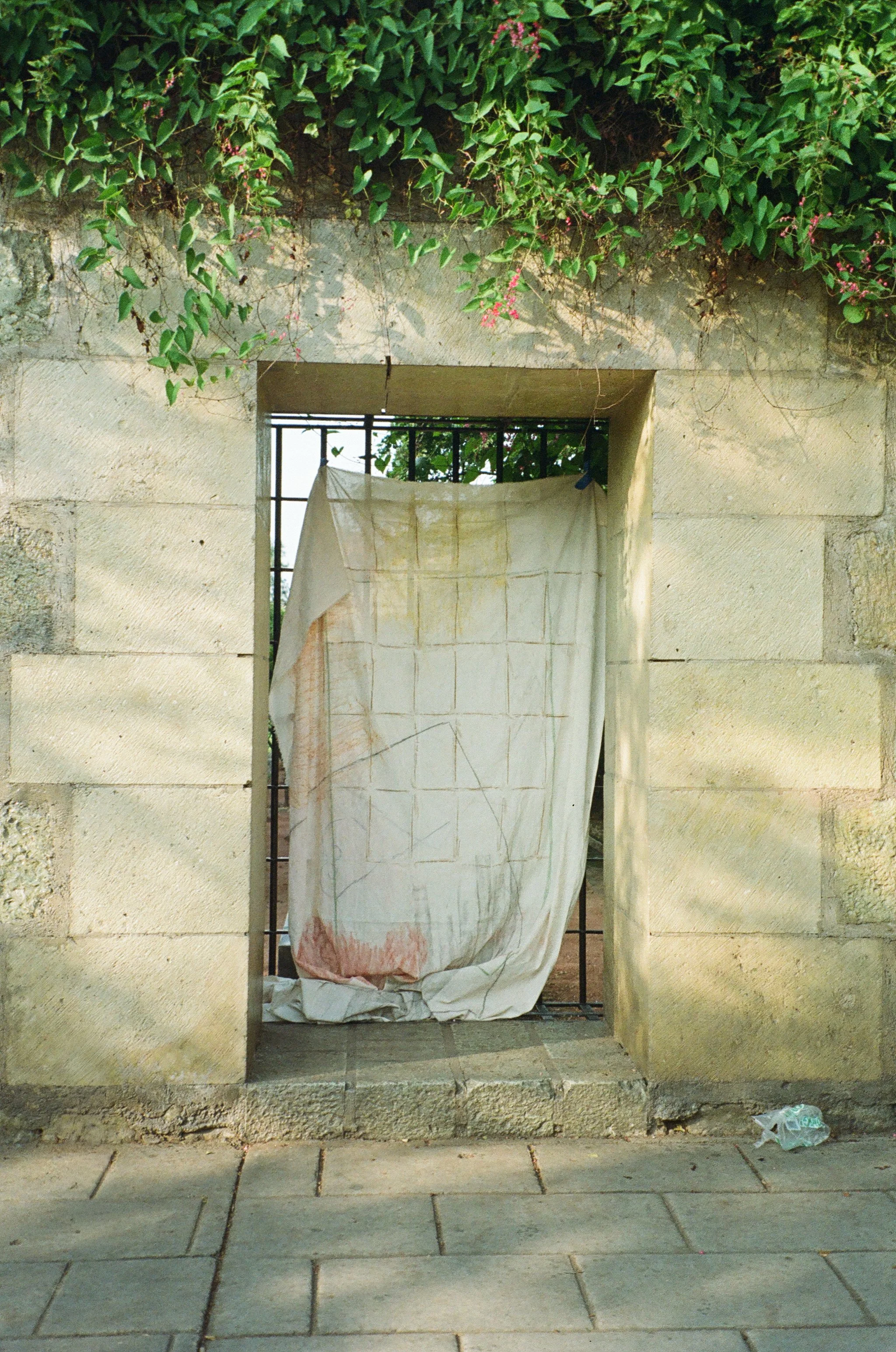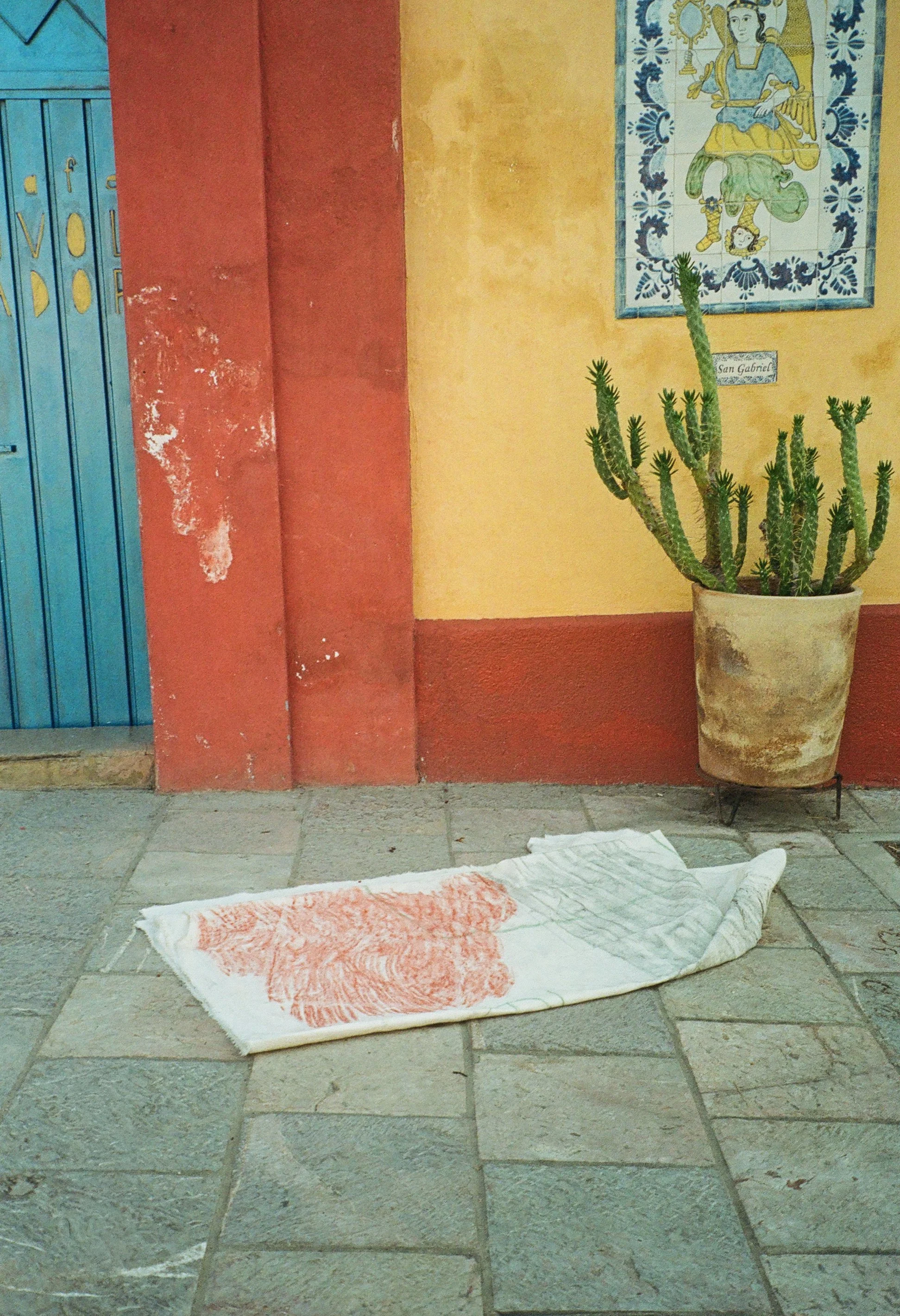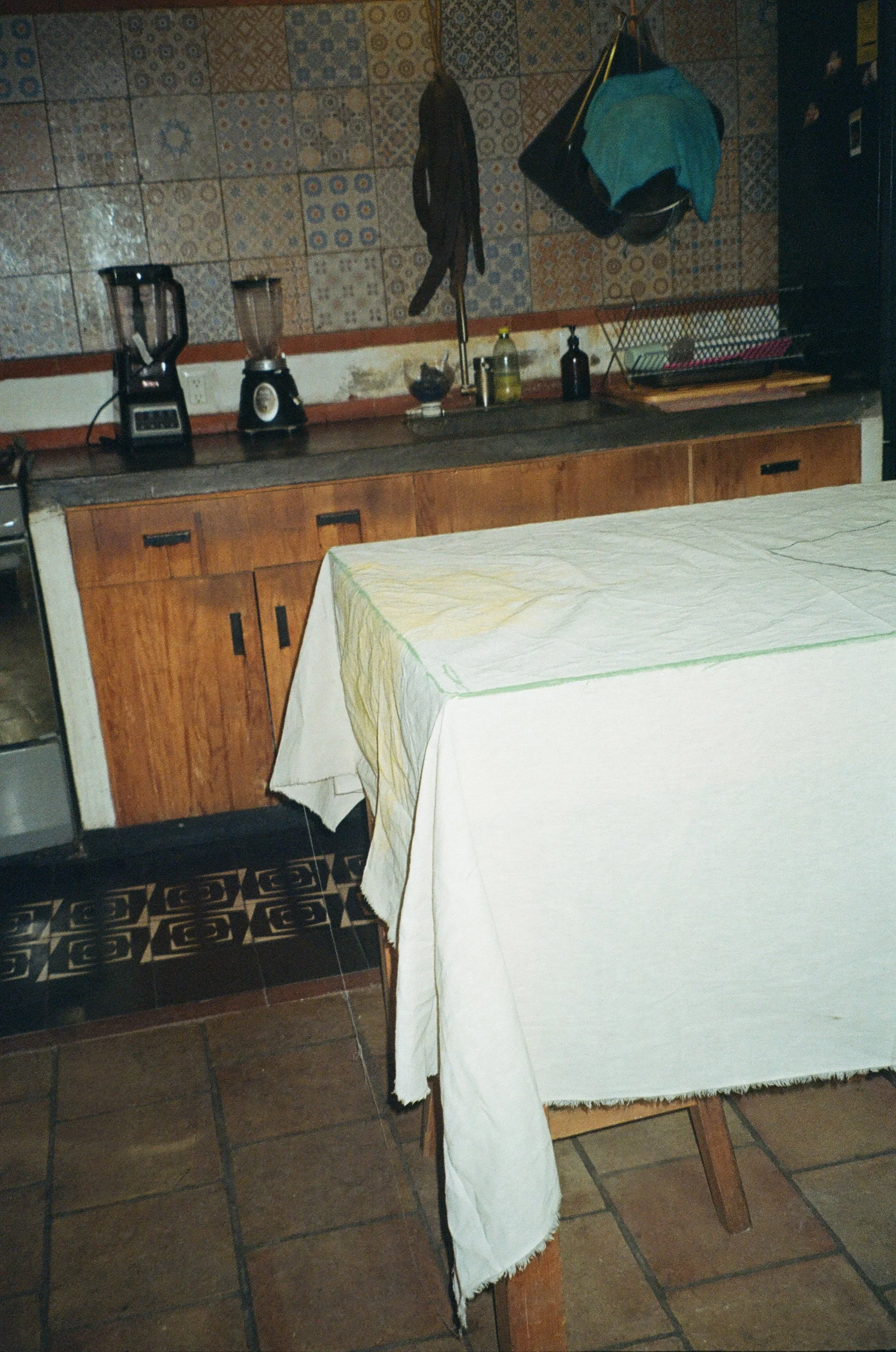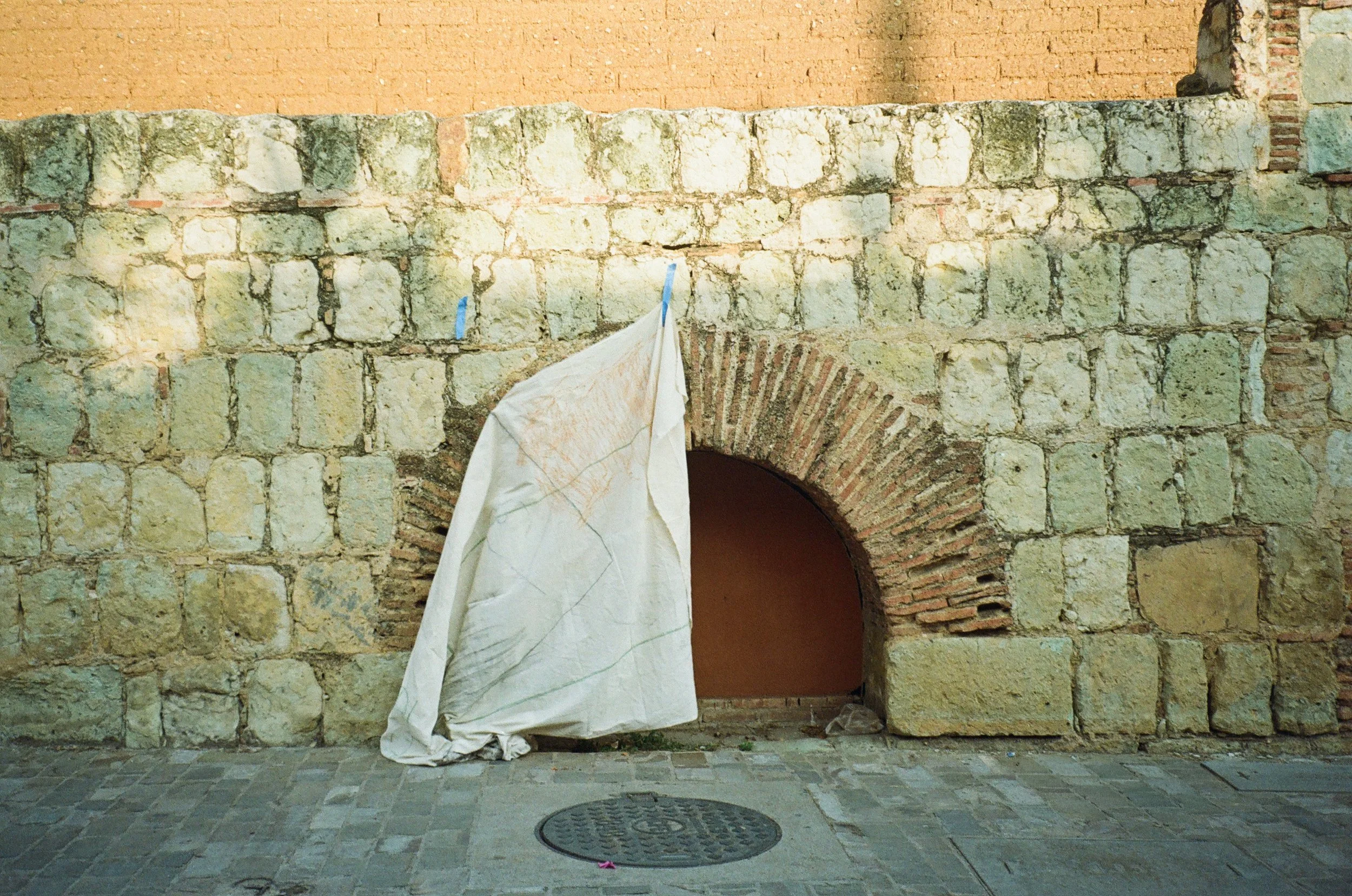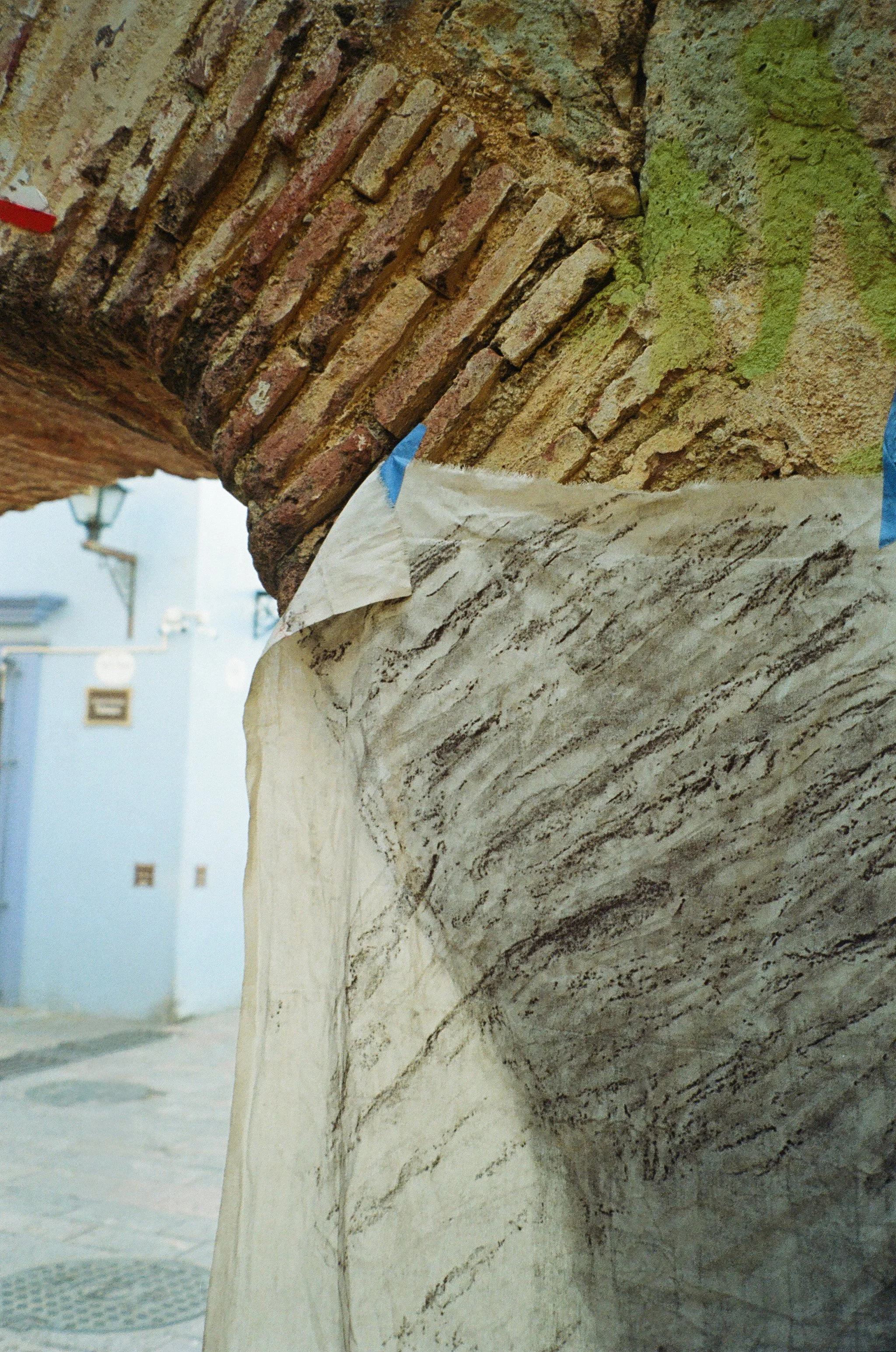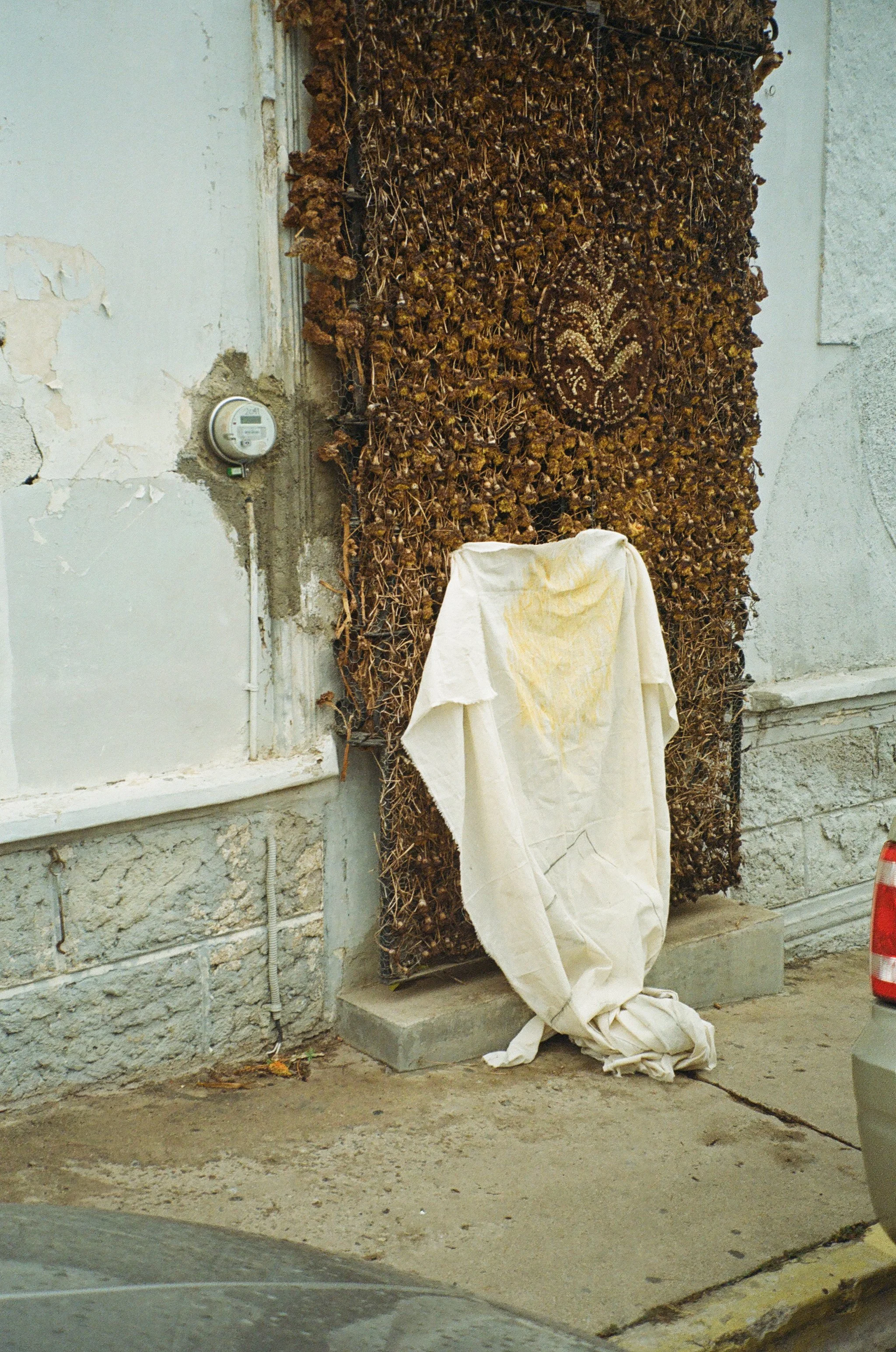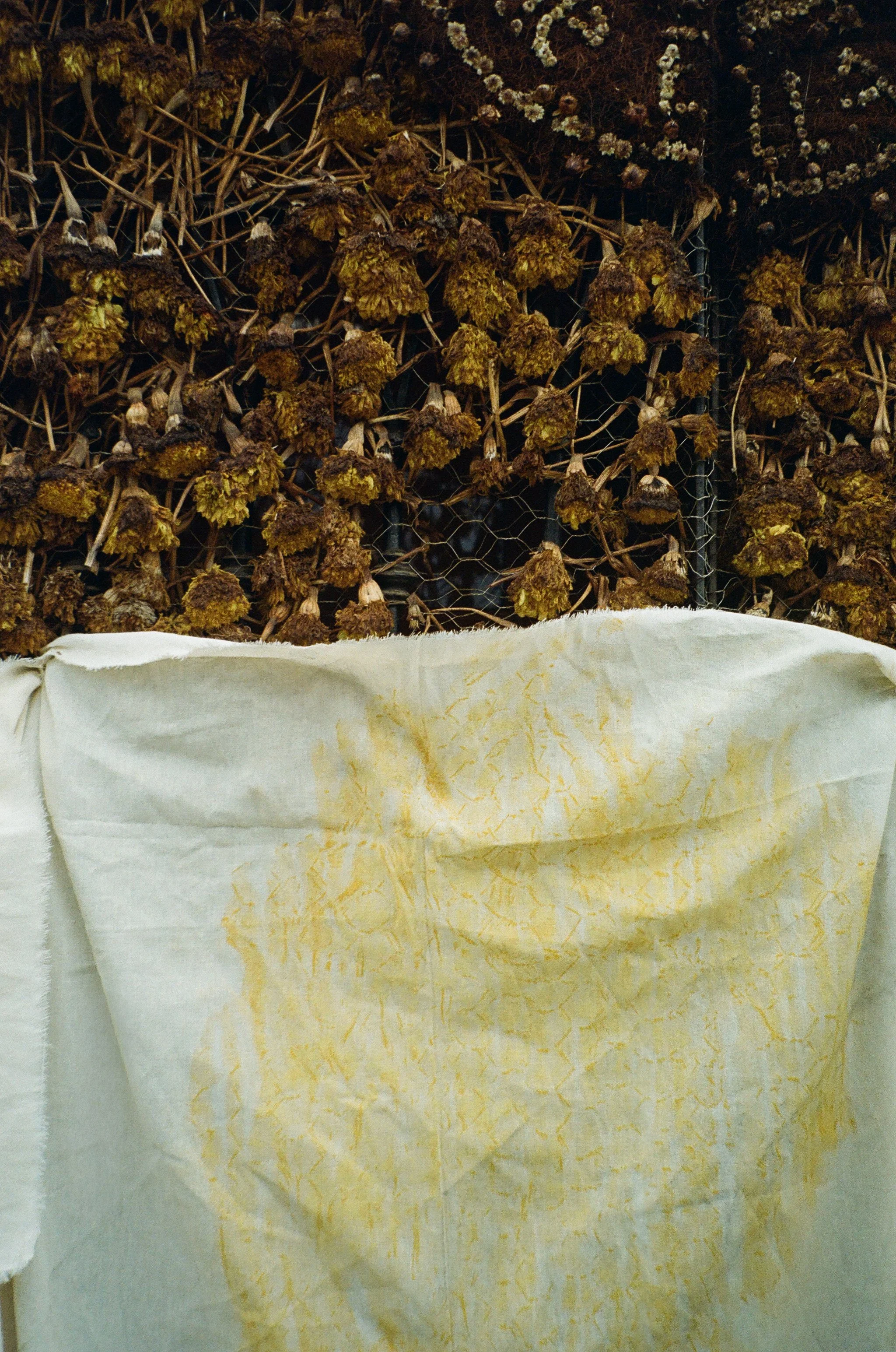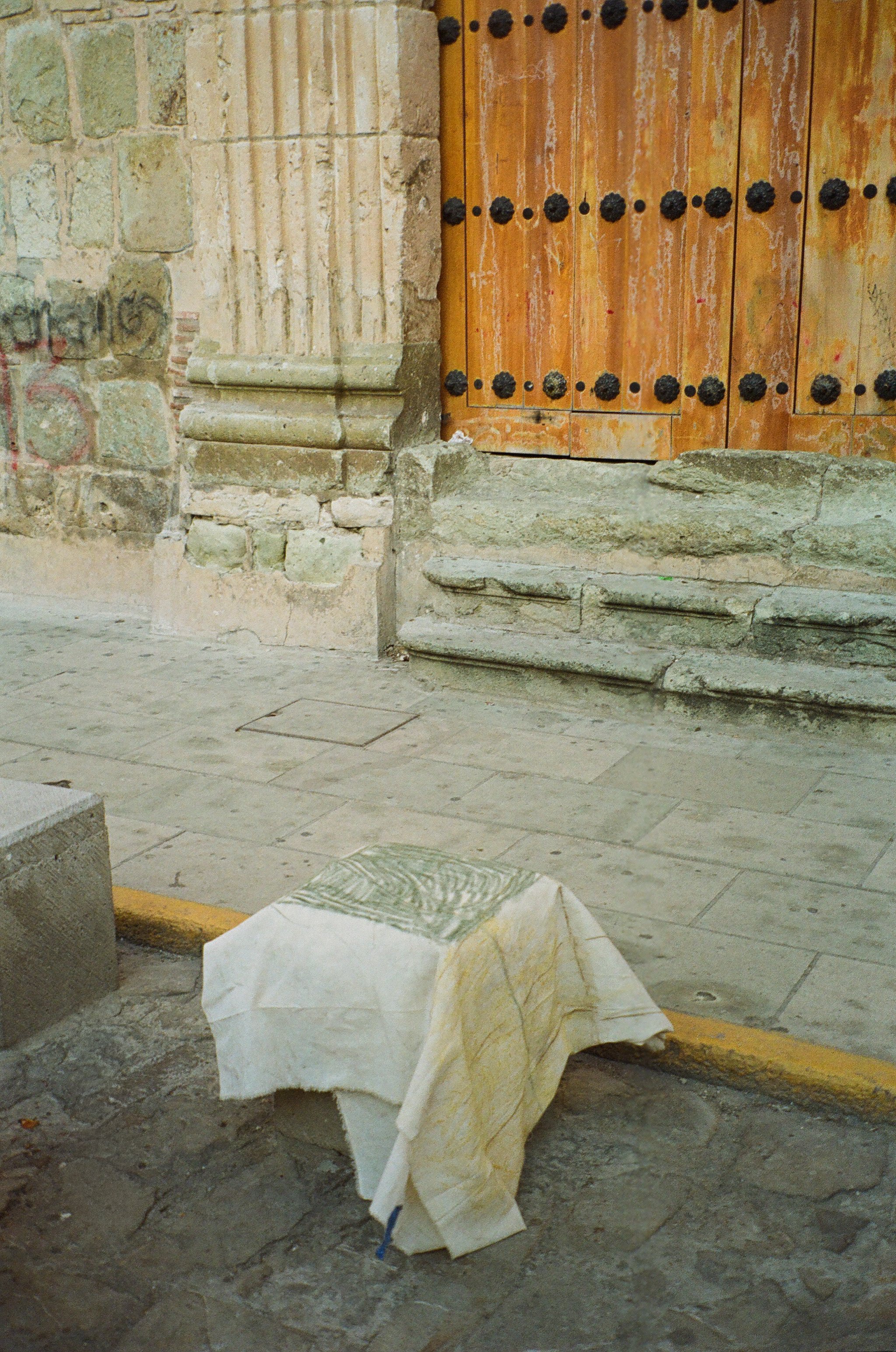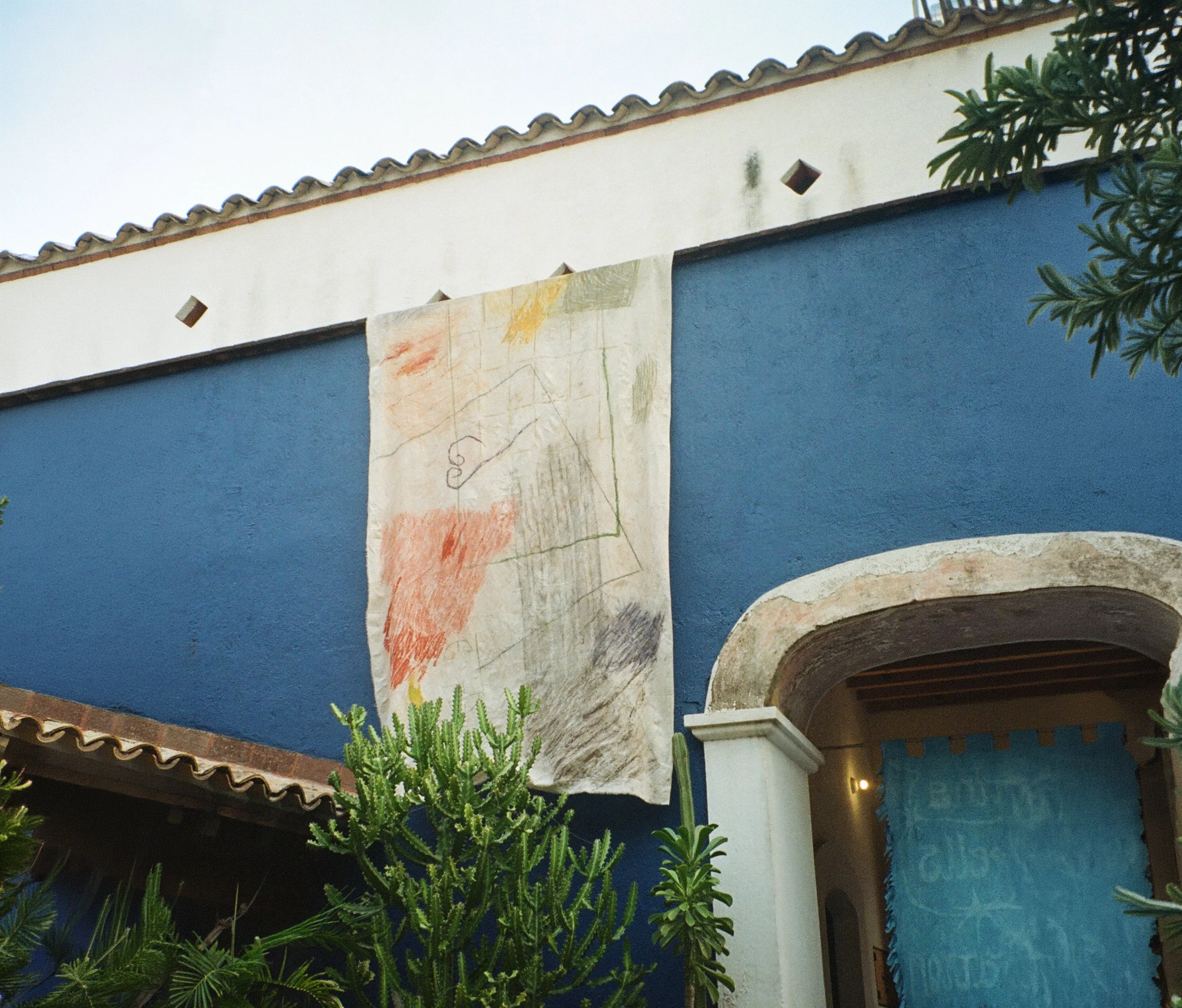
During my residency at Pocoapoco in Oaxaca, as part of Sur o No Sur, I initiated a collective mapping project rooted in memory and architecture.
After the first week of shared study and dialogue, I invited each resident to submit a drop pin marking a place in Oaxaca where they had experienced something meaningful — along with a short written recollection. What emerged was a dispersed constellation of intimate sites: thresholds, courtyards, markets, rooftops, quiet streets.
I traveled to each pinned location and traced a fragment of the built environment — a doorway edge, a stair line, a shadow seam, a tiled surface — isolating a physical moment within the architecture. These tracings became layered drawings, accumulating into a composite map of memory embedded in place.
The work considers architecture not as static structure, but as a vessel for lived experience. By translating private recollections into physical marks gathered across the city, the project forms a shared cartography — one that holds intimacy, movement, and collective presence within the fabric of Oaxaca.